If you have your eye on Port Royal, you already know the stakes are high. Ultra‑luxury homes here are custom, waterfront, and often one of a kind. That makes appraisals both crucial and challenging. In this guide, you’ll learn how appraisers handle thin comparable sales, how they treat docks, seawalls, and flood elevation, and what you can do to support an accurate valuation and keep your deal on track. Let’s dive in.
Why Port Royal appraisals are different
Port Royal has limited resale inventory, large custom estates, and deepwater access. That combination makes truly comparable sales rare and highly varied. Appraisers often need more context, more documentation, and more time to verify the story of a property.
Recent sales can be private or off‑market, and many buyers come from outside the area. This reduces the pool of visible transactions and increases reliance on public records and verification. Local market reports and county records help fill the gaps, including the Naples Area Board of REALTORS market data and the Collier County Property Appraiser records for sale and parcel verification.
How appraisers value ultra‑luxury homes
Appraisers must follow USPAP, the Uniform Standards of Professional Appraisal Practice, which require clear methodology, support for assumptions, and independence. For complex, high‑value homes, many professionals prepare narrative reports to explain their approach. You can read more about standards from The Appraisal Foundation.
The three approaches to value
- Sales Comparison Approach. This is primary when usable comps exist. For Port Royal, appraisers often widen the geographic radius and time window, then use larger, well‑explained adjustments.
- Cost Approach. This gains weight when the home is highly unique. The appraiser estimates replacement cost new, subtracts depreciation, then adds land value. Many use resources discussed by the Appraisal Institute and may consider local builder data for accuracy.
- Income Approach. This is used when a property has proven income potential. For primary luxury residences, it is less common unless rental income is a proven part of buyer decision making.
In lender contexts, appraisers may also align with guidance such as the Fannie Mae Selling Guide when applicable.
Working with thin comps in Port Royal
Thin comps are normal here. Low turnover and one‑off features mean fewer direct matches. Appraisers respond by expanding search parameters, using a longer sales timeline, and adding pending or competitive listings as secondary support when appropriate. They will also lean on the cost approach when it makes sense.
Adjustments: what changes and why
Expect adjustments for waterfront orientation, depth of water, Gulf access, lot size and slope, dock and boat lift presence, seawall condition, view, flood elevation, quality of construction and finishes, bedroom and bath count, guesthouses, and storm‑hardening or smart‑home systems. Appraisers prefer paired‑sale analysis to quantify features. When data are sparse, they may use contributory cost to estimate impact, such as the expected value contribution of a seawall or dock.
Large adjustments reduce reliability. There is no hard percentage cap in USPAP, but the larger the adjustments, the more an appraiser must justify them in the narrative. Strong documentation from you helps reduce uncertainty.
Off‑market and private sales
Private deals can be used if they are arm’s‑length and verifiable. Appraisers will confirm details with involved parties or through public records and will note any non‑standard terms that could distort value. This is where a clean paper trail pays off.
What carries value in Port Royal
Waterfront, docks, boat lifts, and seawalls
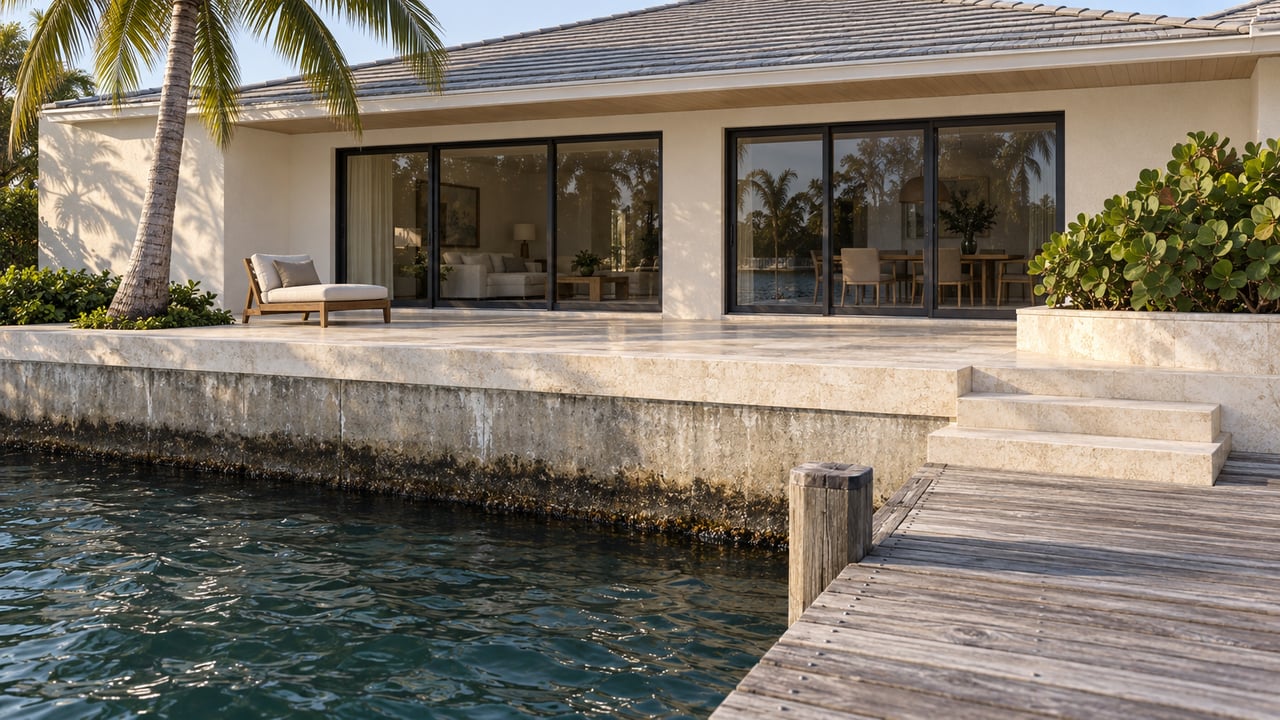
Direct Gulf access, water depth at the dock, and the condition and permit status of docks and seawalls matter. Appraisers often separate land value from improvements to isolate the waterfront premium. They may use contributory cost or paired‑sale evidence to quantify a dock, lift, or seawall. Maintenance history and permitability influence marketability and, in turn, value.
Flood elevation, FEMA designation, and insurance
Flood zone, lowest floor elevation, and mitigation measures influence buyer perception and insurability. Appraisers consider FEMA maps and elevation certificates where available. You can review designations using the FEMA Flood Map Service Center and visualize broader coastal risk through the NOAA Sea Level Rise Viewer. Higher construction elevation and meaningful mitigation can support stronger value in the eyes of the market.
Custom interior features and systems
Ultra‑premium finishes, whole‑house generators, commercial‑grade kitchens, elevators, and guesthouses are evaluated based on contributory value to the market. Invoices, plans, permits, and warranties help appraisers understand scope, quality, and remaining economic life. When features are rare, cost‑to‑create can guide their impact.
Functional and external obsolescence
Layouts that conflict with modern luxury living, outdated systems, or view obstructions can reduce value. Appraisers will weigh these factors against renovation or redevelopment potential. External shifts, like neighborhood changes or heightened flood risk, will be addressed as market influences.
Your playbook as a seller
Consider a pre‑listing appraisal
On unique properties, a qualified pre‑listing appraisal can calibrate pricing and uncover issues you can solve before going to market. Choose a professional with Collier County luxury experience and strong narrative reporting skills. Resources from the Appraisal Institute can help you understand credentials and specialties.
Prepare a comprehensive property packet
Give the appraiser a full picture of your property:
- Professional photos and complete floor plans
- Renovation scope, costs, permits, and warranties
- Certificates of occupancy and construction specifications
- Dock and seawall permits and maintenance records
- Elevation certificate, if available
- HOA documents
- A thoughtful list of relevant comparable sales with your rationale
This packet speeds verification and reduces guesswork, which can improve confidence in the final opinion of value.
Align showings and site condition
Small details influence perception. Ensure mechanicals are operating, dock access is safe, and records are organized and easy to review. An appraiser will note condition and functionality, so polish what you can.
Your move as a buyer
Know your appraisal contingency
Understand the language and timeline in your contract. Ultra‑luxury appraisals can take longer due to verification and narrative reporting. Plan for that in your closing schedule, especially with jumbo financing.
If the appraisal comes in low
You have options.
- Ask your lender for a reconsideration of value. Provide better comps, correct factual errors, and include the seller’s documentation packet.
- If lender policy allows, request a second appraisal or desk review.
- Bridge the gap with additional cash, renegotiate price, or request seller concessions.
For cash buyers, an appraisal still helps with insurance and future resale decisions.
Choosing the right appraiser
For pre‑listing or independent valuation, look for an appraiser with recent experience in Naples waterfront luxury and, ideally, designations or training tied to complex properties. The Appraisal Foundation outlines professional standards, and the Appraisal Institute provides education and credentials. For financed deals, the lender selects the appraiser, but you can often suggest local names for consideration.
Reconsideration of value checklist
If you request a review or ROV, submit a tight package:
- Interior and exterior photos, plus floor plans
- Elevation certificate and flood mitigation details
- Permit history and contractor invoices for major work
- Dock and seawall permits, specs, and maintenance records
- HOA rules and dues, if applicable
- Rental income history, only if relevant and verifiable
- A concise memo explaining unique attributes that impact marketability
Aim for clarity, not volume. Make it easy to verify facts through the Collier County Property Appraiser’s records or other official documents.
Lender realities to plan for
Ultra‑luxury purchases often use jumbo loans or private banking. Lenders may require specialized appraisers, enhanced reviews, or even a second opinion, which can extend timelines. Appraisers will align with applicable lender guidance like the Fannie Mae Selling Guide when relevant. Build buffer time into your contract and communicate early.
Common mistakes to avoid
- Pricing on replacement cost alone. Replacement cost is a data point, not market value on its own.
- Assuming every upgrade returns full cost. Market response drives contributory value.
- Ignoring flood elevation and insurability. Elevation, mitigation, and premiums influence demand.
- Withholding documentation. The fewer unknowns, the stronger the appraiser’s confidence.
Next steps
A great appraisal outcome starts with preparation and the right team. If you are buying or selling in Port Royal, align early on documentation, flood and dock details, and likely comparables. Lean on advisors who understand both waterfront construction and valuation.
Ready to talk strategy for your property or your next purchase in Port Royal? Schedule your Free Consultation with Unknown Company to get a customized plan and a streamlined path from valuation to closing.
FAQs
How Port Royal appraisals differ from typical Naples homes
- Ultra‑luxury Port Royal properties have thin comps, custom features, and waterfront variables that require expanded searches, larger adjustments, and detailed narrative reporting.
What appraisal methods are most used on ultra‑luxury homes
- Appraisers rely primarily on the sales comparison approach, but will increase weight on the cost approach when comps are limited and may consider income only if there is proven rental potential.
How docks, lifts, and seawalls are valued in appraisals
- Appraisers use paired‑sale evidence where possible and contributory cost analysis, plus verification of condition and permit status, to estimate value impact.
How flood zones and elevation affect appraised value
- Flood designation, elevation, and mitigation measures influence insurability and buyer demand, which the appraiser addresses using tools like FEMA maps and elevation certificates.
What you can do after a low appraisal in Port Royal
- Request a reconsideration of value with stronger comps, correct errors, and supply documentation; consider a second opinion if allowed, renegotiate, or bring additional cash to close.